
Guards Matched to the Debris Load on Your Roof
Gutter guard installation in Baton Rouge for homes with high debris volume from live oaks and pine canopy
Selecting a gutter guard without first assessing the specific debris type and volume the roof collects is the most common reason guard installations underperform. Gator Gutter Service installs gutter guards in Baton Rouge after evaluating the current gutter system, the roofline geometry, and the types of debris the surrounding canopy generates—because a micro-mesh guard that handles leaf fragments well may pass pine pollen or seed pod material directly into the channel, while a reverse-curve style that sheds large leaves may concentrate debris at the nose in a way that creates its own blockage pattern. The assessment determines which guard style is appropriate before any material is ordered.
In neighborhoods like Baker and Port Allen, where residential lots frequently combine live oak and pine canopy in close proximity to the roofline, the debris mix that reaches gutters includes not just leaves but seed pods, pollen catkins, and pine straw—materials with very different sizes, weights, and moisture retention characteristics. A guard system that performs well against one of those debris types may allow another to accumulate at the guard surface or pass through into the gutter channel. Gator Gutter Service's assessment accounts for the actual debris mix present at each property rather than applying a single product recommendation across all installations.
To have your current gutter system and roofline assessed for guard compatibility, call (985) 662-2755 to request a free evaluation.

How Gutter Guard Installation Reduces Maintenance Frequency
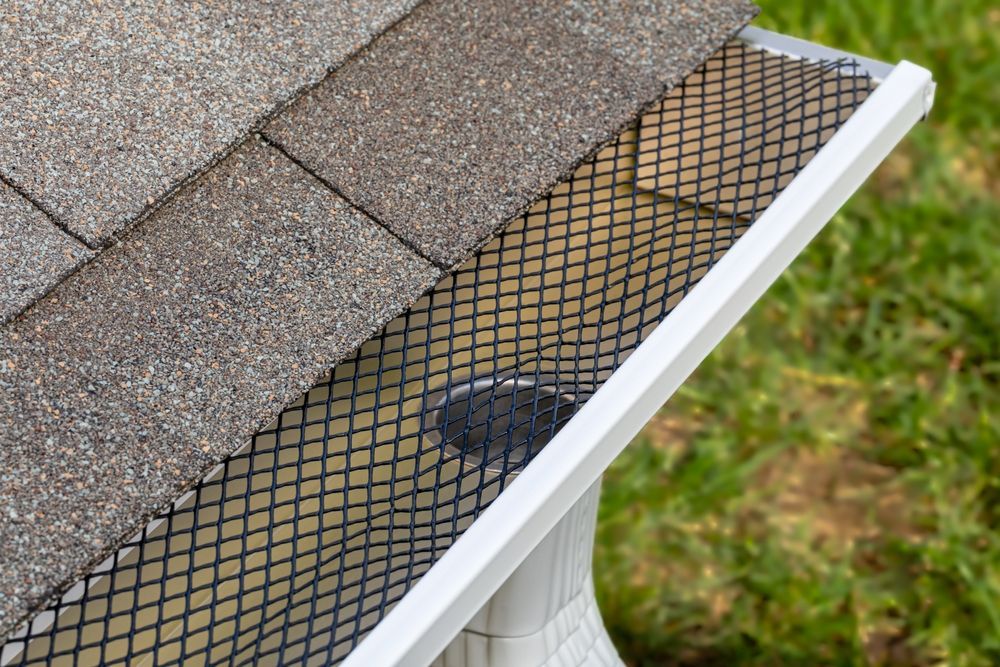
Guard installation begins with confirming that the existing gutter system is in serviceable condition—pitch is correct, hangers are secure, and downspouts are clear—before guards are mounted. Installing guards over a system that already drains poorly or has loose sections does not correct those underlying conditions; it conceals them and makes future access more complicated. Any gutter condition that would affect guard performance is identified during the pre-installation assessment so it can be addressed first. Guards are then fitted to the gutter profile, secured so they do not shift under debris load or wind, and the system is tested to confirm that water passes through the guard surface into the channel rather than sheeting off the front edge.
After guard installation, the primary observable change is that debris no longer accumulates inside the gutter channel at the rate it previously did, which reduces how frequently the interior needs to be flushed. Downspout blockages from leaf and pod debris entering the channel become less frequent. It is accurate to say that guards reduce cleaning frequency rather than eliminate it—fine organic material and shingle granules can still pass through most guard systems over time, which means periodic inspection of the channel below the guard remains part of maintaining the system correctly.
Guard style selection also affects long-term maintenance access. Screen and micro-mesh styles that attach to the front lip of the gutter can typically be lifted for interior access without tools, while styles that mount under the first course of shingles require more involved removal and reinstallation. That access difference is worth understanding before installation, particularly on homes where the fascia or shingles may need attention in the next several years.
What Property Owners Ask About the Work
Homeowners with significant tree canopy over their rooflines often have detailed questions about how different guard styles handle the specific debris types present in Baton Rouge neighborhoods and what the installation process involves from start to finish.
How does the type of debris on your roof determine which guard style is appropriate?
Fine debris like pine pollen and shingle granules requires a micro-mesh guard with openings small enough to block that material from entering the channel, while properties with primarily large leaf debris may be adequately served by a coarser screen style that allows water to pass through more freely.
What happens to the existing gutter system before guards are installed?
The gutter channel is cleared, pitch is verified, hangers are checked for secure attachment, and downspouts are confirmed open—guards mounted over a system with existing drainage problems will not correct those problems and will make them harder to diagnose later.
How are gutter guards secured so they do not shift or lift under wind and debris weight?
Mounting method depends on the guard style: clip-attached designs fasten to the gutter lip and front bead, while snap-in designs lock into the gutter profile—either way, the guard should not flex or lift when pressed from below, which is a simple field check that confirms correct installation.
What do gutter guards not prevent, and why does that matter for maintenance planning?
Guards reduce the frequency of full interior cleaning but do not prevent the accumulation of fine material—granules, pollen, and decomposed organic matter—that eventually builds up below the guard surface; planning for an annual flush of the channel below the guard is still part of responsible maintenance even after installation.
How does the roofline geometry of a Baton Rouge home affect guard installation?
Low-slope roofs and wide overhangs affect how water travels across the guard surface and how much overshoot occurs at the outer edge during heavy rain; the installation assessment identifies whether a particular guard profile will capture that water or allow it to bypass the gutter entirely.
Gator Gutter Service also installs gutter guards in Denham Springs, Prairieville, Gonzales, Livingston, and Ponchatoula. To discuss which guard system is appropriate for your roofline and debris load, call (985) 662-2755 to arrange a free on-site assessment.